Experiencing a sudden vehicle breakdown can be stressful and even dangerous, especially if it happens in traffic or during harsh weather conditions. Knowing exactly what steps to take can protect you, your passengers, and other road users. If you’re searching for a car broke down what to do and need immediate help, visiting can connect you with fast and reliable roadside support from TowSquad Towing & Recovery, a trusted 24/7 emergency towing provider.
A car breakdown can happen for many reasons—engine failure, battery issues, flat tires, or overheating. Regardless of the cause, your immediate response matters. Staying calm and following the right process ensures safety and helps you get back on the road as quickly as possible.
Stay Safe First
Your safety is the number one priority when your car breaks down. The first thing you should do is remain calm and assess your surroundings. Panic can lead to poor decisions, especially if you’re in heavy traffic or on a highway.
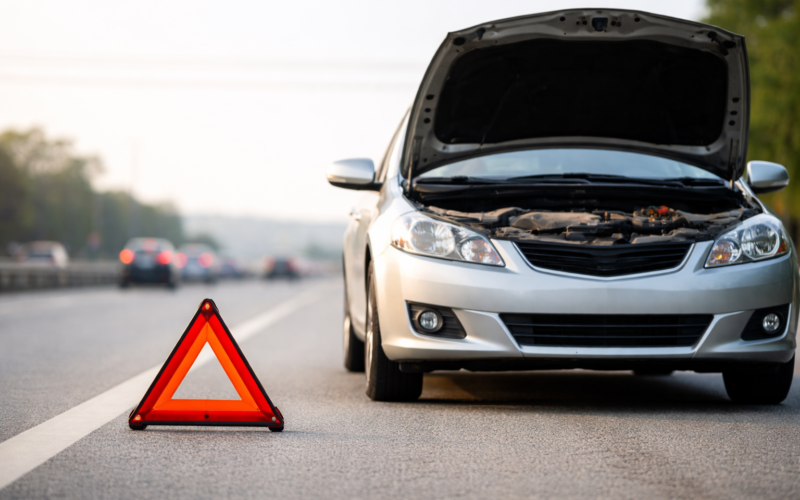
If possible, turn on your hazard lights immediately to alert other drivers that your vehicle is experiencing issues. This simple step significantly reduces the risk of accidents by increasing your visibility.
If your car is still moving, try to steer it safely to the shoulder of the road or a nearby safe area such as a parking lot. Avoid stopping in the middle of traffic whenever possible. If you are on a busy highway, aim for the far-right shoulder.
Once stopped, evaluate whether it is safer to stay inside your vehicle or exit. In high-speed traffic areas, staying inside with your seatbelt fastened is often safer. However, if you are in a safer environment, exiting the vehicle and moving away from traffic may be the better option.
For official road safety advice in Canada, you can refer to roadside safety guidelines at, provided by the Government of Ontario. These guidelines highlight the importance of staying visible, using hazard lights, and positioning your vehicle safely during roadside emergencies.
Move Vehicle Safely
Once you’ve ensured immediate safety, the next step is positioning your vehicle correctly. If your car is still operational enough to move, carefully guide it out of traffic.
Use gentle steering and avoid sudden braking. If your engine is failing, try to maintain momentum until you reach a safer stopping point. If the vehicle completely stops, avoid attempting to push it unless you are certain it is safe and you have assistance.
After stopping, apply the parking brake and turn your wheels away from traffic if you’re on a slope. This prevents unintended movement.
Setting up warning indicators can further improve safety. If you have reflective triangles or road flares, place them behind your vehicle at appropriate distances. This gives oncoming drivers enough time to react.
Modern vehicles often include emergency kits, but if yours doesn’t, it’s worth keeping one in your car. Items like flashlights, reflective vests, and first aid kits can be extremely helpful during breakdown situations.
Call for Help
After securing your vehicle and ensuring safety, the next step is to call for professional help. Attempting to fix the issue yourself can sometimes worsen the situation, especially if you’re not trained in vehicle repair.
This is where reliable roadside assistance becomes essential. Professional towing and roadside services can quickly diagnose and resolve issues such as battery failure, flat tires, or lockouts.
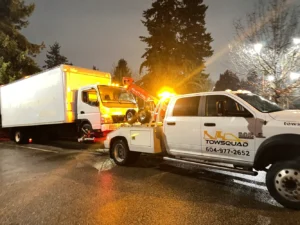
If you are in British Columbia or nearby areas, contacting a local expert like TowSquad Towing & Recovery ensures a fast response and professional service. Their 24/7 availability means you’re never stranded for long, regardless of the time or location.
When calling for help, provide clear details:
- Your exact location (use GPS if possible)
- Description of the issue
- Vehicle type and condition
- Any immediate safety concerns
Clear communication helps the service provider respond more efficiently.
When to Call Towing
Not every breakdown requires towing, but in many cases, it is the safest and most practical solution. You should call a towing service if your vehicle has severe mechanical issues, has been involved in an accident, or cannot be safely driven.
Situations where towing is necessary include engine failure, transmission problems, or significant overheating. Driving in such conditions can cause further damage and increase repair costs.
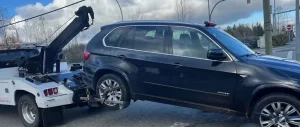
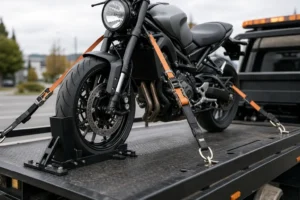
If your vehicle is stuck, immobilized, or unsafe to operate, it’s best to avoid taking risks. Professional towing services use specialized equipment like flatbed trucks to transport vehicles without causing additional wear or damage.
For more insights on vehicle emergencies and safety, you can explore roadside safety tips. These resources provide practical guidance for drivers in British Columbia, including what to do during a breakdown and how to stay safe on busy roads.
Understanding Common Breakdown Causes
Understanding why breakdowns happen can help you respond better in the moment and prevent future incidents. Some of the most common causes include battery failure, flat tires, engine overheating, and fuel issues.
Battery problems are especially common during cold Canadian winters. If your car won’t start, a simple jump-start may resolve the issue. However, if the battery is completely dead, professional assistance is required.
Flat tires are another frequent issue. While some drivers can change a tire themselves, it’s not always safe or practical, especially on busy roads.
Engine overheating can be more serious. Continuing to drive an overheating vehicle can cause severe damage, so it’s best to stop immediately and call for help.
Fuel-related issues, such as running out of gas, are also common and easily resolved with fuel delivery services.
Preventing Future Breakdowns
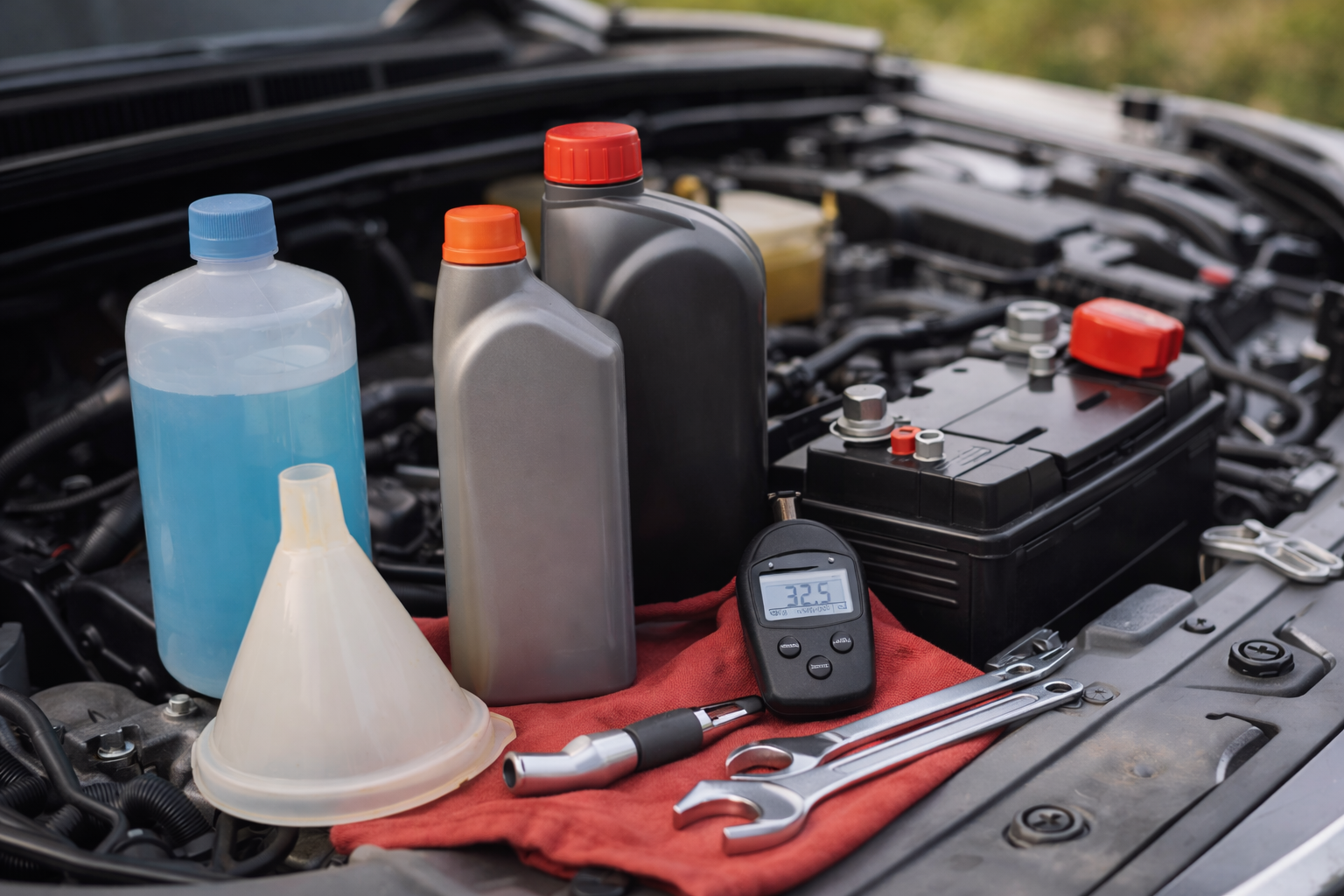
While not all breakdowns are avoidable, regular maintenance can significantly reduce the risk. Keeping your vehicle in good condition ensures reliability and safety.
Routine checks should include:
- Battery health
- Tire pressure and condition
- Engine oil levels
- Coolant levels
- Brake functionality
Scheduling regular servicing with a trusted mechanic can help identify potential problems before they become emergencies.
Additionally, always keep emergency contact numbers saved in your phone. Having quick access to roadside assistance can save valuable time during stressful situations.
Final Thoughts on Roadside Emergencies
Dealing with a vehicle breakdown is never convenient, but being prepared makes all the difference. From ensuring immediate safety to contacting professional help, each step plays a crucial role in minimizing risk and stress.
Whether you’re commuting daily or traveling long distances, understanding car breakdown steps and being aware of roadside safety tips can help you handle emergencies with confidence. Having access to dependable services ensures you’re never alone when unexpected situations arise. If you ever find yourself stranded, getting professional help through roadside assistance Coquitlam can provide fast, reliable support when you need it most.
Frequently Asked Questions (FAQs)
1. What should I do first if my car breaks down?
The first thing you should do is turn on your hazard lights and move your vehicle to a safe location if possible. Your safety and visibility are the top priorities.
2. Is it safe to stay inside my car during a breakdown?
It depends on your location. On busy highways, staying inside with your seatbelt fastened is usually safer. In quieter areas, exiting the vehicle may be safer.
3. When should I call a towing service?
You should call a towing service if your vehicle cannot be driven safely, has major mechanical issues, or has been involved in an accident.
4. Can roadside assistance fix my car on the spot?
Yes, many roadside services can handle minor issues like battery boosts, flat tires, or fuel delivery. For major problems, towing may be required.